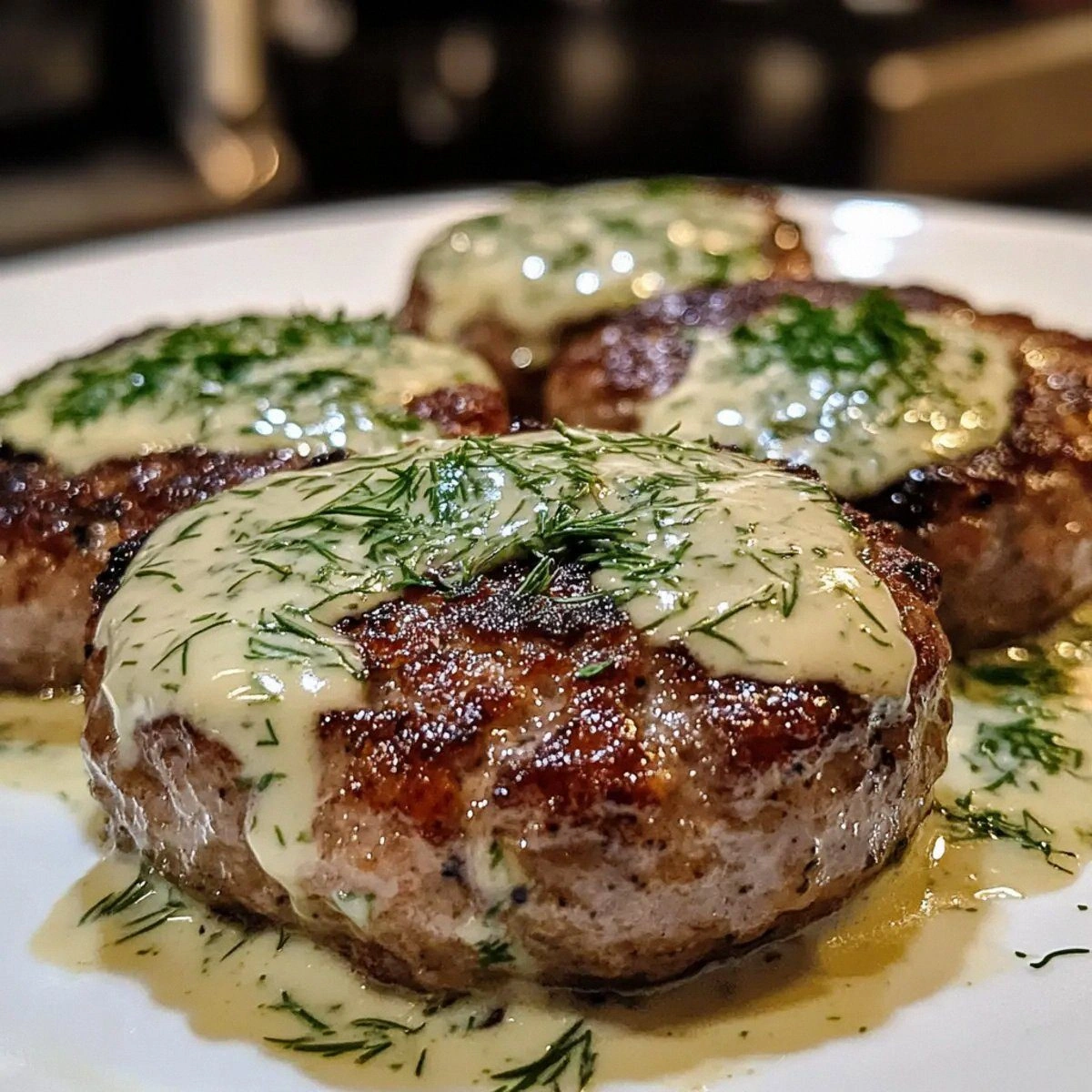
I was standing in my kitchen, half‑heartedly scrolling through endless food blogs, when my roommate shouted, “You’ve got to try making hamburger steaks with that dill sauce you keep bragging about!” I laughed, but the challenge lingered like the smell of fresh coffee. I tossed a pan onto the burner, grabbed the ground beef, and within minutes I was wrestling with a mess of breadcrumbs, onions, and a sauce that looked more like a swamp than a sauce. The first batch turned out soggy, the second burnt on the edges, and by the third I was practically crying into the skillet. I dared myself to keep going, and the result? A plate so comforting it could convince a vegan to reconsider their life choices.
Picture this: the sizzle of butter and olive oil colliding, a fragrant cloud of garlic and onions rising like a promise, and a thick, creamy dill sauce that clings to each steak like a velvety blanket. The aroma alone could make a stoic grandparent weep with nostalgia. The first bite delivers a juicy, meaty core surrounded by a caramelized crust that snaps under your teeth, while the sauce delivers a cool herbaceous punch that makes the whole dish sing. It’s a sensory overload that hits every note—sweet, salty, buttery, and herb‑bright—all at once. That’s the kind of experience that makes you forget you ever ate a boring burger.
Most recipes for hamburger steaks either drown the meat in a watery gravy or skimp on the seasoning, leaving you with something that feels like a side dish rather than a star. I’ve been there—over‑mixing the meat, over‑cooking the sauce, and ending up with a plate that looks like a sad, limp pancake. This version flips the script by treating the steak like a miniature, pan‑seared patty that gets a quick sear before finishing in a luscious dill‑infused cream. The secret? A dash of heavy cream and a splash of low‑sodium chicken broth that turn the sauce into silk, plus fresh dill that adds a garden‑fresh brightness you didn’t know you were missing.
Okay, ready for the game‑changer? I’m about to walk you through every single step—by the end, you’ll wonder how you ever made this any other way. I dare you to taste this and not go back for seconds. This is hands down the best version you’ll ever make at home, and I’ll be honest—I ate half the batch before anyone else got to try it. Let’s dive in, because the kitchen is about to become your favorite playground.
What Makes This Version Stand Out
- Flavor Explosion: The combination of caramelized onions, garlic, and fresh dill creates a layered taste that evolves with each bite, delivering depth you won’t find in ordinary hamburger steaks.
- Texture Contrast: A crisp, golden crust gives way to a melt‑in‑your‑mouth interior, while the sauce coats the meat like a silk scarf, adding a luxurious mouthfeel.
- Simplicity Meets Sophistication: Only a handful of pantry staples are required, yet the final dish feels restaurant‑grade, proving that gourmet doesn’t have to be complicated.
- Ingredient Quality: Using ground beef with a 20% fat content ensures juiciness, while fresh dill adds an herbaceous brightness that dried herbs simply can’t match.
- Crowd‑Pleaser: Whether you’re feeding a family or impressing guests, this dish consistently earns rave reviews—people will ask for the recipe before the first bite is even finished.
- Make‑Ahead Potential: The steaks and sauce can be prepared ahead of time and reheated without losing any of that glorious flavor, making it perfect for meal‑prep warriors.
- Versatile Base: The sauce can be transformed into a pasta topping, a dip for veggies, or even a base for a hearty soup, giving you endless ways to repurpose leftovers.
- Season‑Free Delight: This dish shines year‑round, making it a reliable go‑to whether you’re craving comfort in a snowstorm or a breezy summer evening.
Inside the Ingredient List
The Flavor Base
The duo of a medium onion and a medium yellow onion provides a sweet, aromatic backbone. The yellow onion, with its milder flavor, balances the sharper bite of the regular onion, creating a harmonious onion symphony. If you skip one, the sauce loses its depth and can taste flat. As a swap, you can use a shallot for a subtler, more refined sweetness, but be mindful of the reduced volume.
The Texture Crew
Breadcrumbs act like a sponge, soaking up the juices and keeping the meat tender. Without them, the steak could become dense and dry. For a gluten‑free twist, use almond flour or crushed cornflakes; just remember the texture will be slightly coarser. Ground beef with a 20% fat ratio is crucial—lean meat will render the patties dry, while too much fat can cause flare‑ups in the pan.
The Unexpected Star
Heavy cream and the 1/4 cup of regular cream combine to create a sauce that’s rich without being cloying. The cream balances the acidity of the chicken broth and the sharpness of the dill, delivering that velvety mouthfeel. If you’re dairy‑intolerant, substitute with coconut cream, but the flavor profile will shift toward a tropical note. The fresh dill is the real hero; its bright, anise‑like flavor lifts the entire dish, turning a simple steak into a celebration.
The Final Flourish
All‑purpose flour is the secret thickener that gives the sauce its glossy sheen. Skipping it will result in a runny gravy that can’t cling to the steaks. A gluten‑free alternative like rice flour works just as well, though you’ll need to whisk it quickly to avoid lumps. Finally, a pinch of black pepper adds a subtle heat that rounds out the flavor without overpowering the delicate dill.
Everything's prepped? Good. Let's get into the real action…
The Method — Step by Step
First, combine the ground beef, breadcrumbs, the finely chopped medium onion, 1 teaspoon of salt, 1 teaspoon of black pepper, the large egg, and 1 tablespoon of olive oil in a large bowl. Use your hands—yes, get a little messy—to blend everything until just combined; over‑mixing will make the steaks tough. Form the mixture into four equal patties, about ¾‑inch thick, and press a small indentation in the center of each. Power transition: This tiny dimple keeps the steak flat as it cooks, preventing the dreaded bulge.
Heat a heavy skillet over medium‑high heat and add 1 tablespoon of unsalted butter. Once the butter foams and begins to turn golden, gently lay the patties in the pan, leaving space between them. You should hear an immediate, satisfying sizzle—that’s the sound of flavor being locked in. Cook for 3‑4 minutes on the first side, watching the edges turn a deep caramel brown and start to pull away from the pan.
Kitchen Hack: If you’re cooking more than four patties, finish the first batch, then keep the cooked ones warm in a 200°F oven while you sear the rest. This ensures every steak stays perfectly juicy.Flip the steaks carefully using a sturdy spatula. Add the second medium yellow onion, diced, and the two minced garlic cloves to the pan. The onions should soften within a minute, releasing a sweet perfume that mingles with the buttery richness. Let everything cook together for another 3‑4 minutes, until the onions turn translucent and the garlic becomes fragrant but not browned.
Now comes the crucial thickening step: sprinkle 2 tablespoons of all‑purpose flour over the meat and vegetables. Stir constantly for about a minute to cook out the raw flour taste; you’ll notice the mixture turning a light golden hue, which signals the flour is properly toasted. Watch Out: If you let the flour sit too long without liquid, it can form lumps that ruin the sauce’s silky texture.
Gradually pour in 1 cup of low‑sodium chicken broth while whisking vigorously. The broth will deglaze the pan, lifting those caramelized bits—known as fond—off the bottom, which are pure flavor gold. Keep whisking until the mixture thickens slightly, then reduce the heat to low.
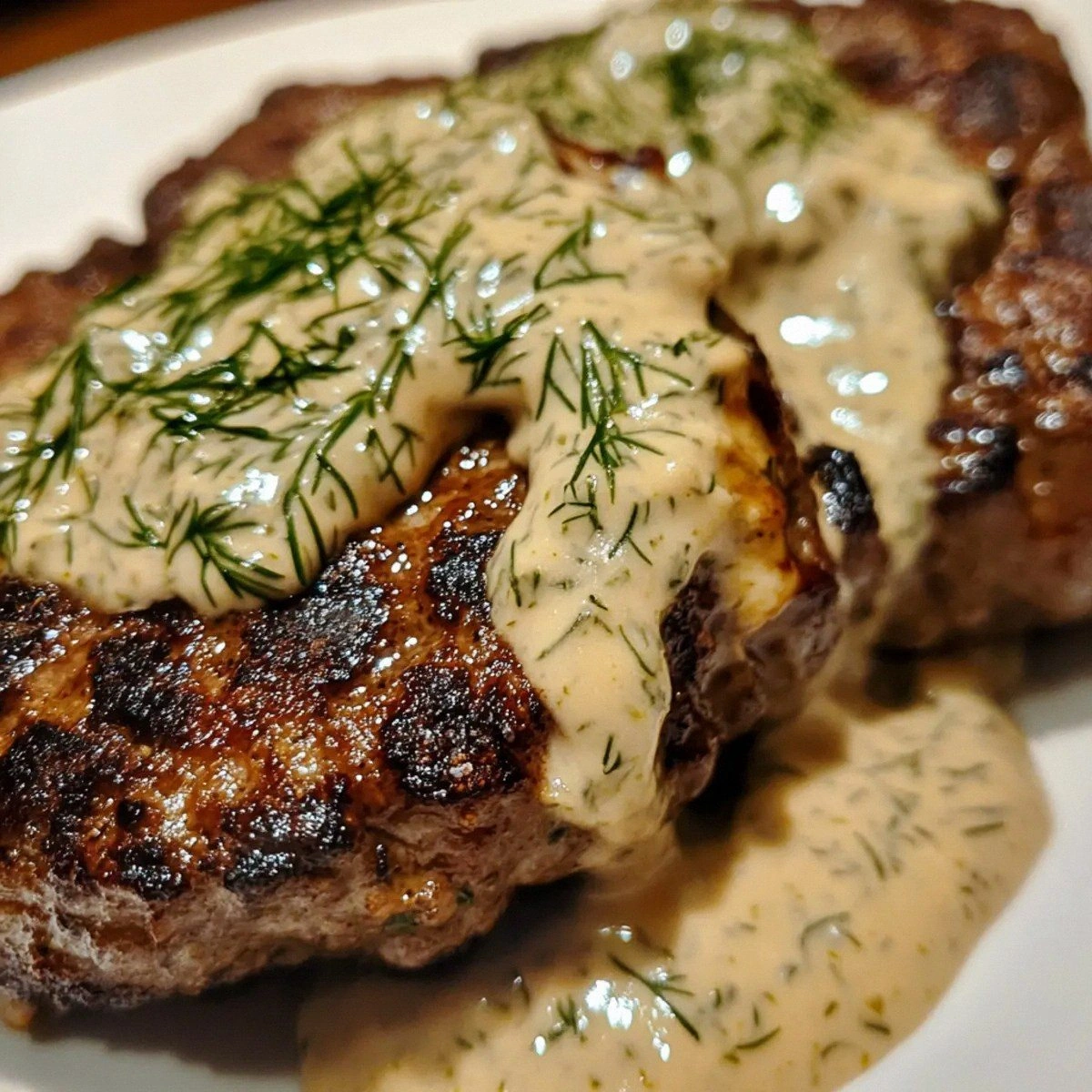
Stir in 1/2 cup of heavy cream and the 1/4 cup of regular cream, creating a luxurious, velvety base. Let the sauce simmer gently for 4‑5 minutes, allowing the flavors to meld. You’ll notice the sauce turning a glossy, pale ivory color that clings to the back of a spoon—this is your cue that it’s ready for the final herb lift.
Finish with 2 tablespoons of freshly chopped dill, sprinkling it evenly over the steaks and sauce. The dill should retain its bright green color, indicating it’s still fresh and aromatic. Give everything a gentle stir, then taste and adjust seasoning with a pinch more salt or pepper if needed.
Transfer the skillet to a warm place or keep it on the lowest heat setting while you plate. This resting period lets the meat reabsorb some of the juices, ensuring each bite is juicy. Meanwhile, the sauce continues to thicken just enough to coat the steak without becoming gloopy.
Serve the hamburger steaks hot, spooning generous amounts of the dill sauce over each patty. Pair with buttery mashed potatoes, roasted root vegetables, or a simple green salad for balance. Picture yourself pulling this out of the pan, the whole kitchen smelling incredible… And now the fun part: dig in and watch everyone’s eyes widen with delight.
Watch Out: Resist the urge to over‑sauce; a thin veil of cream‑dill is all you need to let the steak’s flavor shine.
That's it — you did it. But hold on, I've got a few more tricks that'll take this to another level...
Insider Tricks for Flawless Results
The Temperature Rule Nobody Follows
Always let your ground beef sit at room temperature for 15 minutes before forming the patties. Cold meat contracts when it hits the pan, leading to uneven cooking and a tougher texture. By allowing it to warm slightly, the meat sears evenly, and the interior stays juicy. I once tried skipping this step and ended up with a steak that was pink on the outside and gray in the middle—definitely not the experience you want.
Why Your Nose Knows Best
Trust the aroma cues more than the clock. When the onions start to turn golden and the garlic gives off a sweet, nutty perfume, you know the flavor base is ready. Likewise, the moment the sauce smells buttery and slightly sweet, it’s time to add the dill. Relying solely on timers can lead to over‑cooked garlic that turns bitter or a sauce that loses its silky finish.
The 5‑Minute Rest That Changes Everything
After the steaks are cooked, let them rest uncovered for exactly five minutes. This short pause allows the juices to redistribute, preventing them from spilling out the moment you cut into the meat. A friend once sliced his steak immediately and ended up with a dry plate; the lesson? Patience is a flavor‑preserving virtue.
Butter‑Boosted Sear
Adding a splash of butter right before the final minute of searing creates a nutty, caramelized crust that elevates the flavor profile. The butter foam should brown lightly—if it burns, lower the heat. This technique adds a subtle richness that pairs perfectly with the dill’s freshness.
Dill Timing Trick
Add the dill at the very end of cooking, off the heat, to preserve its bright green color and aromatic punch. If you add it too early, the heat will dull its flavor, making it taste more like a generic herb. A quick stir and a sprinkle of extra dill just before serving adds a pop of color that makes the dish Instagram‑ready.
Sauce Rescue
If your sauce becomes too thick, whisk in a splash of warm chicken broth or water—just a tablespoon at a time. This thin‑out method restores the silky texture without diluting the flavor. I once over‑reduced the sauce and had to rescue it with this trick; the result was a perfect, glossy coating.
Creative Twists and Variations
This recipe is a playground. Here are some of my favorite ways to switch things up:
Mushroom Medley
Swap half of the onions for sliced cremini mushrooms. Their earthy umami deepens the sauce, and the texture adds a pleasant chew. This version is perfect for autumn evenings when you crave something hearty.
Spicy Kick
Add a teaspoon of smoked paprika and a pinch of red pepper flakes to the meat mixture. The smoky heat pairs beautifully with the cool dill, creating a balanced heat‑sweet dance.
Cheesy Crust
Mix a quarter cup of grated Parmesan into the breadcrumb mixture. The cheese melts into the crust, adding a salty, nutty depth that makes the steak even more indulgent.
Herb‑Swap Delight
Replace dill with fresh tarragon or chives for a different herbaceous profile. Tarragon gives a subtle anise note, while chives add a milder onion flavor—both work well with the creamy base.
Mediterranean Flair
Stir in a tablespoon of sun‑dried tomato pesto into the sauce and garnish with crumbled feta. The tangy tomatoes and salty cheese turn the dish into a Mediterranean-inspired feast.
Storing and Bringing It Back to Life
Fridge Storage
Place the cooked steaks and sauce in an airtight container and refrigerate for up to three days. When reheating, add a splash of water or broth and gently warm over low heat, stirring constantly to restore the sauce’s silkiness.
Freezer Friendly
Cool the steaks and sauce completely, then portion into freezer‑safe bags. They’ll keep for up to two months. To reheat, thaw overnight in the fridge, then warm gently on the stove, adding a tablespoon of broth if needed.
Best Reheating Method
The secret to a perfect reheated steak is low‑and‑slow. Use a skillet over medium‑low heat, cover with a lid, and add a teaspoon of water or broth. The steam revives the meat’s juiciness while the sauce re‑emulsifies, delivering that fresh‑out‑of‑the‑pan experience.