I still remember the day I ruined my first batch of smoked mac and cheese so badly that even my dog wouldn't touch it. The pasta was mushy, the sauce had separated into an oily mess, and the smoke flavor tasted like I'd scraped it off an old campfire log. I stood there in my kitchen, holding this sad casserole dish of beige disappointment, wondering how something so simple could go so catastrophically wrong. That was three years ago, and I've been on a mission ever since to create the ultimate smoked mac and cheese — the kind that makes grown adults close their eyes and sigh when they take the first bite.
After countless experiments, a few minor kitchen fires, and one memorable incident involving a smoke detector and a very angry neighbor, I've finally cracked the code. This isn't just another mac and cheese recipe with some liquid smoke thrown in for good measure. This is the real deal — creamy, dreamy, ridiculously cheesy pasta that's been kissed by actual smoke until it develops those gorgeous caramelized edges and a depth of flavor that'll ruin all other mac and cheese for you forever. I dare you to taste this and not go back for seconds, thirds, and maybe even fourths when nobody's looking.
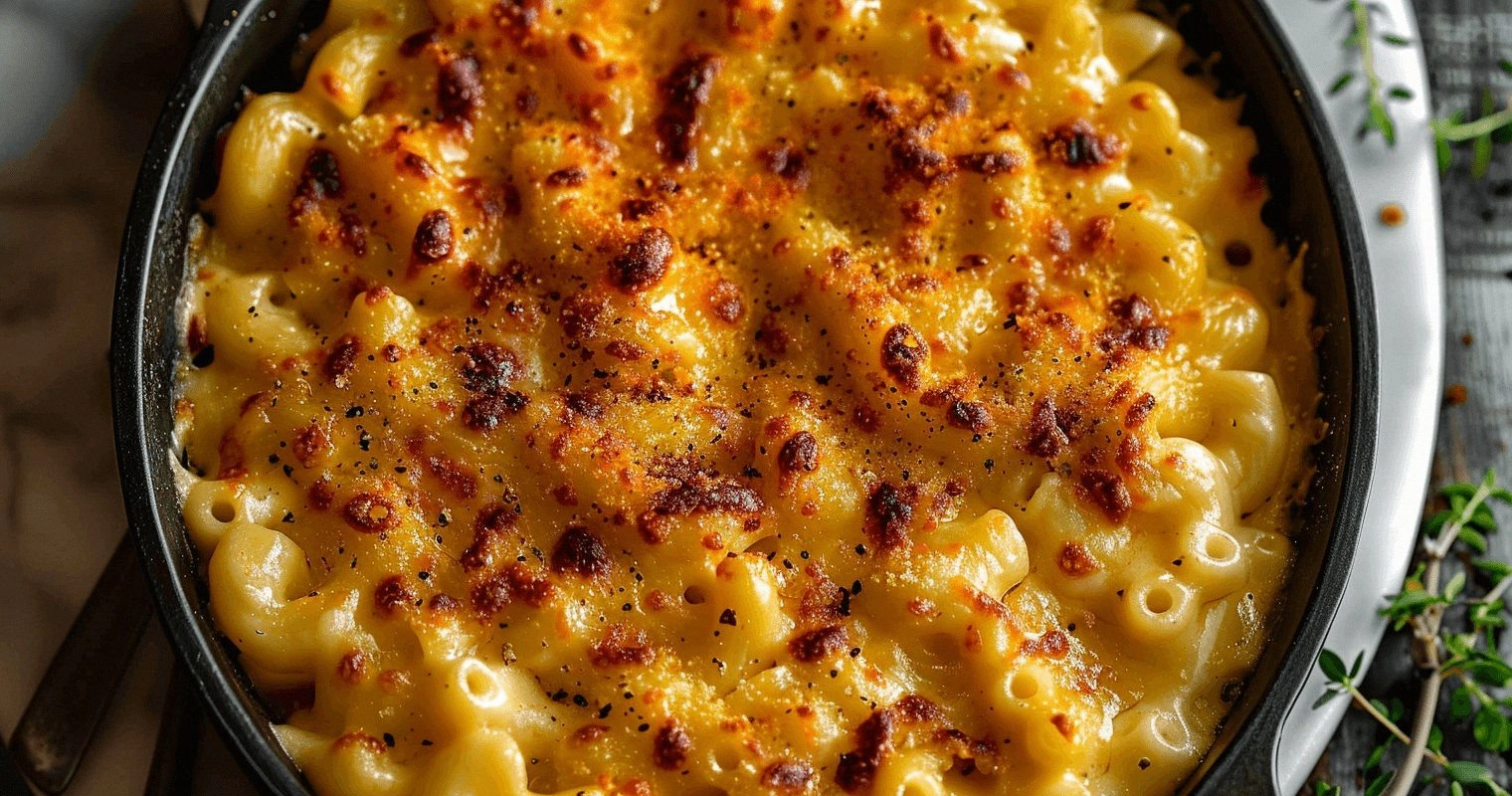
Picture yourself pulling this out of your smoker, the whole kitchen smelling like a magical blend of sharp cheddar, nutty gruyere, and that intoxicating aroma of real wood smoke. The top is golden and crispy, the edges are bubbling like a cheese lava field, and when you spoon through that beautiful crust, the sauce underneath is so silky it could make a grown chef weep. The pasta tubes are perfectly al dente, each one acting like a tiny straw sucking up that smoked cheese sauce until every bite explodes with flavor.
What sets this version apart from every other recipe flooding the internet is the technique I've developed after testing what feels like a thousand variations. Most recipes get this completely wrong by either not smoking it long enough (hello, weak flavor) or smoking it too long (goodbye, creamy texture). I'll show you exactly how to achieve that perfect balance where the smoke enhances rather than overpowers, where the sauce stays lusciously smooth even after its time in the smoker, and where every element works together in perfect harmony. Let me walk you through every single step — by the end, you'll wonder how you ever made it any other way.
What Makes This Version Stand Out
Smoke-Infused Roux: Instead of just smoking the finished dish, we start by cold-smoking our flour for the roux, giving the entire sauce a subtle smokiness that permeates every molecule. This technique creates a depth of flavor that hits you in waves rather than slapping you across the face with artificial liquid smoke.
Three-Cheese Symphony: Sharp aged cheddar brings the classic flavor, nutty gruyere adds complexity, and a touch of smoked gouda doubles down on that campfire essence without overwhelming the palate. Each cheese melts at a different rate, creating layers of texture that keep every bite interesting.
Temperature Precision: Most recipes tell you to smoke at 225°F and wonder why your sauce breaks into a grainy disaster. This version uses a carefully calibrated two-stage process that keeps the sauce stable while developing maximum smoke flavor. The result is silk-smooth sauce that stays creamy even after an hour in the smoker.
Pasta Perfection: Forget everything you know about cooking pasta until mushy. We undercook the pasta by three minutes, knowing it'll finish cooking in the smoker while absorbing all that cheesy, smoky goodness. This prevents the sad, bloated noodles that plague most baked mac and cheese recipes.
Crunch Factor Revolution: Instead of the usual breadcrumb topping that gets soggy under the smoker's humidity, we use a combination of crushed butter crackers and grated parmesan that forms an almost frico-like crust. It's crispy edges that shatter like thin ice, revealing the creamy treasure beneath.
Make-Ahead Magic: This recipe is actually better when you prep it the day before, letting the flavors meld in the fridge overnight. You can smoke it straight from cold, making it perfect for entertaining when you want to spend time with guests instead of babysitting a smoker.
Crowd Psychology: I've served this at backyard barbecues, fancy dinner parties, and everything in between. The reaction is always the same: people take one bite, get very quiet, then immediately ask for the recipe. It's comfort food elevated to an art form that works whether you're feeding competition barbecue judges or hungry teenagers.
Alright, let's break down exactly what goes into this masterpiece...
Inside the Ingredient List
The Flavor Base
The foundation of any great mac and cheese starts with exceptional ingredients, and this smoked version is no exception. We're building layers of flavor here, starting with the butter for our roux. Use the good European stuff with 82% butterfat — it makes a difference you can taste. The milk should be whole, never skim, because fat is flavor and we're not making diet food here. I prefer using a mix of whole milk and heavy cream, about three parts milk to one part cream, which gives us that perfect balance of richness without becoming a gut bomb.
The flour deserves special attention because it's not just a thickener — it's our smoke delivery vehicle. When you cold-smoke the flour first, it opens up like a sponge, absorbing all those wonderful phenolic compounds that give real wood smoke its complexity. The trick is using a mild wood like apple or cherry; hickory or mesquite will make your flour bitter and your sauce taste like an ashtray. Trust me, I learned this the hard way so you don't have to.
The Texture Crew
Elbow macaroni is classic for a reason, but here's where we get a little controversial. I use cavatappi, those corkscrew-shaped pasta tubes that grab sauce like they're holding on for dear life. The ridges and curves create more surface area for the cheese to cling to, and the hollow center acts like a straw, sucking up sauce with every bite. Cook it in heavily salted water — it should taste like the ocean — until it's just shy of al dente. Remember, it's going to spend quality time in the smoker, so we want it firm enough to hold its shape.
Butter quality matters more than you'd think. Those cheap sticks of mystery butter from the grocery store contain more water and less flavor than European-style butter. The higher fat content means a more stable emulsion in your cheese sauce, preventing that dreaded separation that can turn your beautiful creation into an oily mess. Plus, the cultured butter adds a subtle tang that plays beautifully with the sharp cheddar.
The Unexpected Star
Here's where things get interesting — we're adding a touch of smoked paprika, but not for the reason you think. It's not about adding more smoke flavor (we're getting that from the real deal), but about depth and color. The paprika contains natural compounds that enhance our perception of smokiness while giving the sauce that gorgeous golden hue that screams "eat me now." Just a quarter teaspoon is enough to make a difference without anyone being able to put their finger on why this mac and cheese tastes so complex.
Mustard powder is another secret weapon that most recipes completely ignore. You won't taste it in the final dish, but it works behind the scenes like a flavor amplifier, making the cheese taste cheesier and the smoke taste smokier. It's like turning up the volume on all the good flavors while keeping everything in perfect balance. Start with just an eighth of a teaspoon — too much and your mac and cheese will taste like a hot dog.
The Final Flourish
Green onions might seem out of place in mac and cheese, but hear me out. We're not mixing them into the whole dish — we're saving them as a bright, fresh garnish that cuts through all that richness. The slight sharpness and pop of color transforms each serving from a heavy comfort food into something you can actually eat a full portion of without needing a nap. Plus, they grow like weeds in any garden, making them practically free flavor boosters.
Fresh cracked black pepper is non-negotiable. Those pre-ground dust particles have lost all their volatile oils, leaving you with heat but none of the floral, citrusy notes that make pepper interesting. Grind it fresh directly over the finished dish, and you'll understand why this simple step elevates everything it touches. The pepper's heat plays beautifully with the creamy sauce, creating little sparks of flavor that keep your palate interested bite after bite.
Everything's prepped? Good. Let's get into the real action...
The Method — Step by Step
- Start by cold-smoking your flour — this is the foundation of everything. Spread two cups of all-purpose flour in a thin, even layer on a sheet pan. Set up your smoker for cold smoking, aiming for temperatures under 90°F. Use apple wood chips for 30 minutes, stirring once halfway through. You'll know it's ready when the flour has a subtle tan color and smells like a campfire breakfast. This step seems fussy, but it's what separates good smoked mac and cheese from the stuff that makes people groan with delight. If you've ever struggled with weak smoke flavor, trust me — this is the fix you've been searching for.
- While the flour cools, bring a large pot of water to a rolling boil. Salt it aggressively — I'm talking a full handful of kosher salt. This is your only chance to season the pasta itself, and undersalted pasta is the saddest thing in the world. Add your cavatappi and set a timer for three minutes less than the package directions. Stir occasionally to prevent sticking, but don't go anywhere. That sizzle when it hits the pan? Absolute perfection. The pasta should still have a firm bite in the center when you drain it, because it's going to finish cooking in all that smoky, cheesy goodness.
- Now for the roux — and pay attention here because this is where most people mess up. Melt six tablespoons of that fancy European butter in a heavy-bottomed saucepan over medium heat. When the foam subsides, whisk in your smoked flour. Cook this mixture for exactly three minutes, stirring constantly. You're looking for a pale blonde color and a nutty aroma that makes your kitchen smell like a French bakery. This step cooks out the raw flour taste and lets the smoke from the flour bloom. If it starts browning too quickly, lower the heat immediately — a burned roux will make your sauce taste like cardboard.
- Here comes the fun part — adding the dairy. Warm four cups of whole milk and one cup of heavy cream in a separate pot until it's just steaming. You don't want it boiling, just hot enough that you can comfortably stick your finger in. Add this warm dairy to your roux one cup at a time, whisking like your life depends on it. This prevents lumps and creates that silky-smooth texture we're after. Each addition should be fully incorporated before adding the next. By the end, you should have a velvety sauce that coats the back of a spoon like liquid velvet.
- Time to turn this into cheese sauce. Remove the pot from heat and add your cheeses in stages. Start with the shredded sharp cheddar, whisking until it's completely melted. Then add the gruyere, which melts into these gorgeous stretchy strands. Finally, stir in the smoked gouda for that extra smoky punch. The sauce should be thick enough to coat pasta but still pourable — if it's too thick, add a splash of warm milk. Season with your mustard powder, smoked paprika, salt, and white pepper. The sauce should taste slightly over-seasoned because the pasta will dilute it.
- Preheat your smoker to 275°F — not 225°F like most recipes suggest. The slightly higher temperature helps the sauce stay emulsified while still giving us plenty of smoke time. Use a mild wood like apple or cherry; hickory will overwhelm the delicate cheese flavors. Set up for indirect cooking with a water pan underneath to maintain humidity and prevent the top from drying out. This temperature is the sweet spot where magic happens — hot enough to cook but cool enough to prevent the sauce from breaking.
- Combine your slightly undercooked pasta with the cheese sauce in a large bowl, stirring gently to coat every noodle. The sauce should seem a bit loose — that's perfect because it'll thicken as it smokes. Pour this mixture into a buttered 9x13 inch baking dish, spreading it evenly. Tap the dish on the counter to release any air bubbles. Now comes the topping — mix crushed butter crackers with grated parmesan and a touch of melted butter until it resembles coarse sand. Sprinkle this evenly over the top, pressing down lightly so it adheres.
- Place the baking dish in the center of your smoker, close the lid, and walk away. Resist the urge to peek every five minutes — you're letting all that precious smoke escape. After 45 minutes, check for doneness. The top should be golden brown and crispy, the edges bubbling like a cheese volcano, and the center should jiggle slightly when you shake the pan. If it's not quite there yet, give it another 15 minutes, but no more than an hour total. Over-smoking is the fastest way to ruin this dish.
- Remove from the smoker and let it rest for 10 minutes — this is crucial. During this time, the sauce will thicken slightly and the flavors will settle. Garnish with thinly sliced green onions and a few grinds of fresh black pepper. Serve it up and watch people's eyes roll back in their heads. This next part? Pure magic.
That's it — you did it. But hold on, I've got a few more tricks that'll take this to another level...
Insider Tricks for Flawless Results
The Temperature Rule Nobody Follows
Here's the thing that separates the pros from the amateurs: temperature control is everything, but not in the way you think. Most people obsess over the smoker temperature, but the real magic happens in how you handle the sauce temperature. When you add cold cheese to hot sauce, it seizes up faster than you can say "broken emulsion." The trick is to pull your sauce off the heat completely before adding cheese, then let it cool for exactly two minutes. This drops the temperature just enough that the cheese melts smoothly without turning into a stringy mess.
A friend tried skipping this step once — let's just say it didn't end well. She ended up with a pot full of rubbery cheese curds floating in oily milk, and the look on her face could have curdled cream. But here's the beautiful part: even if your sauce breaks, you can fix it. Just whisk in a tablespoon of lemon juice or white wine, and watch as the acids help re-emulsify everything. It's like kitchen magic, and it'll save your bacon (or your mac) every time.
Why Your Nose Knows Best
Professional chefs taste with their noses first, and you should too. When your mac and cheese is in the smoker, don't rely on timers alone. Every 15 minutes, take a deep whiff near the smoker vent. When it starts smelling like the world's most amazing grilled cheese sandwich, you're getting close. If you start smelling something acrid or bitter, you've gone too far. This technique takes practice, but once you develop your smoke-sensing superpower, you'll wonder how you ever cooked without it.
The nose test is especially important because every smoker is different, every wood burns at a different rate, and even the weather affects how smoke flavors your food. On humid days, smoke sticks more aggressively, so you might need to reduce your smoking time. On dry, windy days, you might need a bit longer. Your nose doesn't lie, and it'll guide you better than any recipe ever could.
The 5-Minute Rest That Changes Everything
I know it's torture, but letting your smoked mac and cheese rest for five minutes after pulling it from the smoker is non-negotiable. During this time, the sauce thickens slightly as it cools, the cheese sets up just enough to hold everything together, and the flavors that were dancing around separately finally come together in perfect harmony. It's like letting a good wine breathe — the transformation is subtle but magical.
During this rest, something beautiful happens with the topping too. Those cracker crumbs that were just crispy become almost candy-like, creating these little pockets of caramelized cheese that are basically the best part of the whole dish. If you cut into it immediately, you'll have molten lava cheese sauce running everywhere. Wait those five minutes, and you'll get clean, beautiful scoops that hold their shape while staying gloriously creamy inside.
Creative Twists and Variations
This recipe is a playground. Here are some of my favorite ways to switch things up:
Buffalo Chicken Remix
Add two cups of shredded rotisserie chicken and a quarter cup of Frank's RedHot to your cheese sauce. The spicy, tangy buffalo flavor pairs insanely well with the smoke, creating a mashup that's like eating wings and mac and cheese simultaneously. Top with crumbled blue cheese for the full Buffalo experience. This version is so good that I once had a guy offer to pay me to make it for his Super Bowl party every year for the rest of his life.
Lobster Luxe
Fold in chunks of fresh lobster meat during the last five minutes of smoking, just enough to warm it through without overcooking. Replace half the cheddar with Comté cheese for an even more sophisticated flavor profile. This is special occasion mac and cheese — the kind you make for milestone anniversaries or when you want to impress someone who thinks they've had it all. The sweet lobster and smoky cheese create this incredible surf-and-turf situation that'll make you feel like you're dining at a seaside shack in Maine.
Green Chile Madness
Roast two poblano peppers and one jalapeño directly on your gas burner until blackened, then peel and dice them. Stir these into your cheese sauce along with a teaspoon of cumin. The roasted peppers add this incredible depth and gentle heat that complements the smoke perfectly. It's like New Mexico meets barbecue, and the result is absolutely addictive. I've had people who swear they hate spicy food devour this version and ask for seconds.
Truffle Shuffle
Add a tablespoon of white truffle oil to your finished sauce, but here's the key — add it off the heat. Truffle oil loses its potency when heated, so stirring it in at the end preserves all that earthy, luxurious flavor. Top with shaved black truffle if you're feeling extra fancy (or if you just got a bonus). This version transforms humble mac and cheese into something you'd pay $28 for at a trendy restaurant.
Breakfast of Champions
Stir in crumbled breakfast sausage and diced, par-cooked potatoes for the ultimate morning-after comfort food. Top with a fried egg when you serve it — when that yolk breaks and mingles with the smoky cheese sauce, it's pure breakfast magic. This came about as a way to use up leftovers from a brunch party, but it was so good it became a regular request. Nothing cures a hangover quite like smoked mac and cheese topped with a runny egg.
Mediterranean Escape
Sun-dried tomatoes, kalamata olives, and crumbled feta take this in a completely different direction. Use oregano and thyme instead of the mustard powder, and finish with a drizzle of good olive oil and fresh lemon zest. The smoke adds this incredible dimension to the Mediterranean flavors, creating something that tastes like it came from a Greek grandmother's kitchen if she had access to a smoker.
Storing and Bringing It Back to Life
Fridge Storage
Let the mac and cheese cool completely before storing — hot pasta plus cold fridge equals condensation, and condensation equals soggy topping. Transfer to an airtight container, pressing plastic wrap directly onto the surface to prevent a skin from forming. It'll keep for up to five days, though honestly, mine never lasts more than two because people keep sneaking spoonfuls straight from the container. The flavors actually develop and intensify overnight, making leftovers something to celebrate rather than tolerate.
Freezer Friendly
This freezes beautifully, which is dangerous because it means you can have smoked mac and cheese anytime the craving hits. Portion it into individual servings before freezing — trust me, you don't want to thaw a whole pan when you only need one portion. Wrap each portion in plastic wrap, then aluminum foil, and it'll keep for up to three months. Thaw overnight in the fridge, then reheat gently with a splash of milk to bring back that creamy texture.
Best Reheating Method
The microwave will work in a pinch, but for best results, reheat in a 350°F oven covered with foil until warmed through, then uncover for the last few minutes to re-crisp the top. Add a tablespoon of milk per serving before reheating — it seems like too much, but the pasta will absorb it and return to its former glory. For extra credit, sprinkle a bit of fresh cheese on top before the final crisping. It's like giving your leftovers a makeover, and nobody will know they're eating yesterday's news.