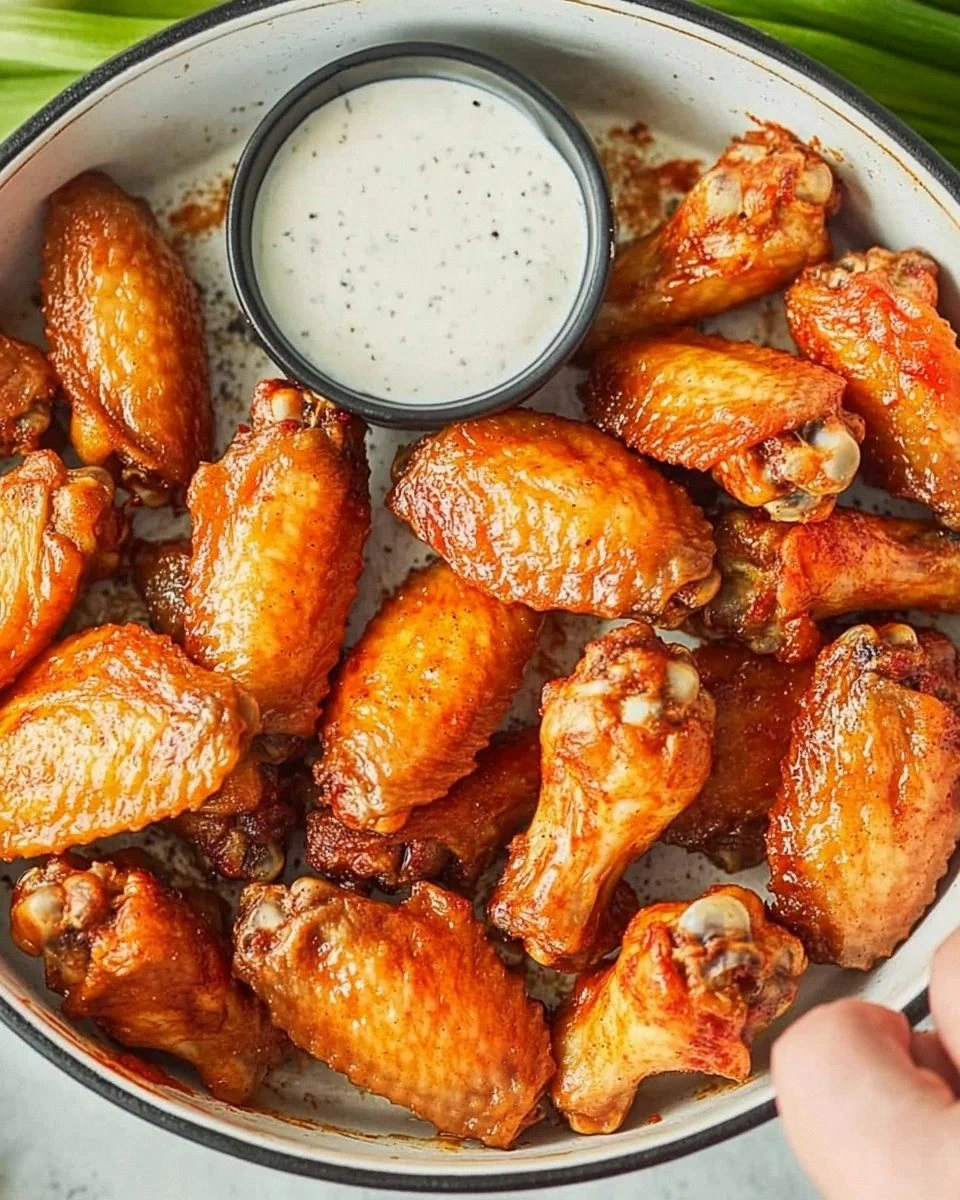
I still remember the night I swore off deep-frying forever. It was a Tuesday, because only a Tuesday could be that dramatic, and I was standing over a cauldron of bubbling oil that smelled like a fast-food ghost had possessed my kitchen. The smoke alarm was serenading the neighbors, my shirt had become a Jackson Pollock of grease splatter, and the wings—those promised-to-be-perfect wings—emerged limp, pale, and somehow tasting of defeat. Fast-forward through a delivery pizza and a wounded ego, and I found myself staring at the air fryer I'd bought on sale six months earlier, still in its box, judging me from the countertop. Reader, that little box saved my sanity and my social life. What came out of it twenty minutes later was a platter of chicken wings so shatter-crisp they practically crackled like a campfire, with meat so juicy it could write its own memoir. I ate eight standing up, burned my tongue, and immediately texted everyone I'd ever met. If you've been chasing that sports-bar nirvana at home—wings that snap between your teeth, release a puff of steam, and leave you licking sauce off your knuckles—congratulations, you just found the holy grail. Today I'm handing over every secret I learned through obsessive batches, side-by-side tastings, and one unfortunate incident involving a fire extinguisher. Picture yourself pulling a basket of mahogany beauties from the air fryer, the kitchen humming with garlic and pepper, your friends hovering like vultures. That can be your reality in forty-five minutes, and you won't even set off the smoke alarm. Stay with me here—this is worth it.
Before we get into the nitty-gritty, let me confess: I ate half the batch before anyone else got to try it. I told myself it was "quality control," but really I was helpless against the siren song of crackling skin and the smell of rendered chicken fat mingling with smoky paprika. The best part? You don't need a culinary degree, a vat of oil, or one of those fancy countertop fryers that cost more than a car payment. All you need is an air fryer (any size, any brand), a bowl, and a willingness to believe that the best wings of your life can come from your own oven-free kitchen. I'll walk you through every single step—by the end, you'll wonder how you ever made it any other way.
What Makes This Version Stand Out
Lightning Fast: From fridge to face in under forty-five minutes, these wings skip the overnight drying, the double-fry, and the mess. The air fryer's cyclone of hot air does in twenty-five minutes what used to take hours of brining, chilling, and babysitting a pot of oil.
Shatter-Crust Technology: We're using a micro-thin layer of baking powder and cornstarch that acts like a thousand tiny umbrellas, lifting the skin away from the meat so it dehydrates and blisters into a shell that shatters like thin ice. Most recipes get this completely wrong and end up with rubbery skin that tastes like a balloon—here's what actually works.
One-Bowl Wonder: No separate saucepans, no marinades, no fussy dredging stations. Everything—seasoning, tenderizer, and crisping agents—gets tossed in one bowl, which means fewer dishes and more time to perfect your victory dance.
Flavor Bomb Guarantee: The spice blend is designed to bloom in the fat that renders out of the wings, creating a built-in sauce that lacquers each piece. You end up with sticky, glistening wings without the sog that usually comes from tossing in sauce at the end.
Crowd-Control Approved: I dare you to taste this and not go back for seconds. I've watched grown adults arm-wrestle over the last drumette, and I've personally hidden a stash in the warming drawer so I'd have leftovers for breakfast.
Game-Day Scalable: Whether you're feeding two midnight snackers or a Super-Bowl-crazed living room, the recipe multiplies without drama. Two batches back-to-back in the same basket still deliver the same snap.
Healthier Hedonism: You lose none of the pleasure but drop 70 percent of the oil you'd use in traditional frying. That translates to wings that won't leave you feeling like you swallowed a brick, which means you can, in good conscience, eat twice as many.
Inside the Ingredient List
The Flavor Base
First up: chicken wings, obviously, but let's be picky. Look for "party wings" already cut into drumettes and flats—life is too short to butcher whole wings unless you're auditioning for a cooking show. Fresh is great, but I've had phenomenal results with frozen wings thawed overnight on a rack in the fridge; the slow drip-drying actually helps the skin crisp better. If you can only find whole wings, snip through the joint with kitchen shears and discard the wing tip (or freeze it for stock, you resourceful human). Aim for plump, pale-pink wings that smell faintly sweet; any sour or metallic whiff means walk away.
The Texture Crew
Baking powder, the unsung hero, creates carbon dioxide bubbles that balloon the skin outward so it dehydrates into a fragile crust. Use aluminum-free; the metallic stuff can leave a bitter aftertaste that'll make you think you licked a battery. Cornstarch is the sidekick, absorbing surface moisture so the skin can focus on blistering instead of steaming. A light hand is key—too much and you'll taste chalk. Salt does double duty: it seasons and draws water to the surface, turbo-charging the Maillard browning that gives you that deep mahogany color.
The Unexpected Star
Smoked paprika is my secret weapon. It brings campfire swagger without liquid smoke's acrid edge, and the red hue fools your brain into thinking the wings have been slow-smoked for hours. Garlic powder disperses evenly, hitting every crevice, while onion powder adds a subtle sweetness that rounds out the savory punch. Cayenne sneaks in last, a whisper of heat that blooms gradually so you can still taste the chicken underneath.
The Final Flourish
After testing a dozen oils, I landed on avocado oil spray for its sky-high smoke point and neutral flavor. A whisper-thin coat helps spices adhere and encourages browning without adding heft. If you're out, a quick pass of neutral vegetable oil from a mister works, but skip olive oil—it can turn bitter under the air fryer's intensity.
The Method — Step by Step
- Pat the wings aggressively with paper towels until they feel like chilled leather. Any lingering moisture will sabotage your crunch, so press hard and swap towels when they go translucent. This is the moment of truth—if you rush, you'll steam instead of sear.
- Toss the wings in a bowl with baking powder, cornstarch, salt, smoked paprika, garlic powder, onion powder, and cayenne. Use your hands—gloved if you're sensitive to heat—and massage every nook until each piece looks lightly dusted, like it's been rolling around in powdered snow. Okay, ready for the game-changer? Let them rest on a rack uncovered in the fridge for ten minutes. This brief chill lets the starch hydrate slightly so it sticks instead of blowing off in the air fryer tornado.
- Preheat your air fryer to 400 °F for three minutes. This step feels optional but it's pure magic; the instant blast of heat sets the coating before it has time to slide off. If your model doesn't have a preheat button, just run it empty—trust me, your patience will be rewarded with restaurant-level crackle.
- Spray the basket with avocado oil, then line the wings in a single layer, skin side up. Crowding is the enemy of crisp, so fight the urge to stack. If you've got more wings than real estate, cook in batches; the second round cooks even faster because the fryer is ripping hot.
- Cook at 400 °F for ten minutes. During this first sprint, fat starts to render and the surface dehydrates. You'll hear a faint sizzle-pop—music to any wing lover's ears. Don't open the drawer yet; we're building the foundation of crunch.
- Flip each wing with tongs, spritz lightly with oil, and cook another ten minutes. This next part? Pure magic. The skin will blister and bronze, and the smell drifting through your kitchen will make you involuntarily salivate. A friend tried skipping this flip once—let's just say it didn't end well with one-sided leathery skin.
- Flip again, reduce temperature to 375 °F, and cook five final minutes. This gentler heat finishes the meat without scorching the spices. The wings should look glazed, like they've been kissed by a barbecue pitmaster. If you spot any pale patches, give those spots an extra thirty seconds.
- Transfer to a bowl, add a final whisper of salt, and toss like a salad while they're still steaming. Rest five minutes—yes, you can wait—so the juices redistribute and the crust sets into audible crunch. Serve naked for purists or douse in your favorite sauce; either way, prepare for applause.
Insider Tricks for Flawless Results
The Temperature Rule Nobody Follows
Most folks cook wings at one steady temp and wonder why the skin never quite crisps. Start hot (400 °F) to drive off moisture, then drop to medium (375 °F) to finish cooking the meat without torching the exterior. That 25-degree drop is the difference between wings that crunch like autumn leaves and wings that chew like rubber bands.
Why Your Nose Knows Best
You'll smell the exact moment the spices bloom—a toasty, slightly nutty aroma that drifts out like an invitation. When that happens, you're two minutes from done. Trust your senses more than the clock; air fryers vary in wattage, but your nose is calibrated to perfection.
The 5-Minute Rest That Changes Everything
Resting isn't optional. Those five short minutes let the crust cool and contract, turning from soft to glass-crisp. Skip it and you'll bite through limp skin that collapses like a bad soufflé. Use the time to pour drinks, cue up the game, or fight off the hovering hands of your fellow diners.
Double-Decker Batch Blitz
Hosting a horde? Pile a second layer on a small, oven-safe rack set inside the basket. Rotate the layers halfway through cooking. The upper wings drip flavor onto the lower ones, and both levels emerge equally bronzed. I once fed fifteen friends during playoffs using this trick and emerged a neighborhood legend.
Creative Twists and Variations
This recipe is a playground. Here are some of my favorite ways to switch things up:
Korean Firecracker
Swap the smoked paprika for gochugaru, add a teaspoon of grated ginger, and finish with a glaze of gochujang melted into honey and butter. The result is sticky, glossy wings that glow ruby-red and pack a slow, sweet heat that builds like a crescendo.
Lemon-Pepper Heaven
Replace cayenne with a tablespoon of cracked black pepper and the zest of two lemons. After cooking, dust with more zest and a squeeze of fresh juice. They're bright, tongue-tingling, and dangerously snackable—perfect for summer patio nights.
Mediterranean Gold
Trade the standard spices for oregano, thyme, and a pinch of ground coriander. Finish with a shower of feta crumbles and a drizzle of tzatziki thinned with lemon juice. You get the same crunch, but the flavor veers toward sun-drenched islands and ouzo toasts.
Smoky Maple Bourbon
Add a teaspoon of bourbon barrel smoked salt to the dry mix, then toss finished wings in a warm glaze of maple syrup, bourbon, and a pat of butter. The alcohol cooks off, leaving behind caramel and oak that taste like fall around a campfire.
Sweet Heat Peach
Stir a spoonful of peach jam and a dash of chipotle powder into the final five-minute blast. The sugars caramelize into a sticky lacquer, and the chipotle sneaks in smoky heat that flirts with summertime nostalgia.
Truffle Parm Dream
Keep the original spice blend but finish with a snowstorm of grated Parmesan and a whisper of truffle oil. It's over-the-top, date-night decadence that turns humble wings into something you'd pay eighteen bucks for at a wine bar.
Storing and Bringing It Back to Life
Fridge Storage
Let any leftovers cool completely, then stash them in an airtight container lined with a paper towel to wick away moisture. They'll keep three days in the fridge, though I've never seen them survive past breakfast. Reheat in a 375 °F air fryer for three to four minutes; the skin regains its snap like a second wind.
Freezer Friendly
Arrange cooled wings in a single layer on a sheet pan, freeze until solid, then transfer to a zip-top bag. They'll keep two months—technically—but realistically you'll excavate them next weekend. Reheat from frozen at 375 °F for eight to ten minutes, flipping halfway.
Best Reheating Method
Skip the microwave unless you enjoy rubber. The air fryer resurrects them to near-original glory. Add a tiny splash of water to the drawer before reheating; it creates a burst of steam that warms the meat without softening the crust. They emerge hot, juicy, and ready for round two.