Picture this: you’re standing in your kitchen, the oven preheated to 350°F, and a handful of apples sitting on the counter like tiny, fragrant bombs. You open the bag of flour, toss a pinch of salt, and a sudden spark of inspiration hits—why not combine the comforting crunch of apples with the warm, aromatic swirl of cinnamon? I was in the middle of a chaotic Sunday brunch, juggling a toddler’s tantrum and a pot of simmering soup, when that idea landed on my mind like a perfectly timed soufflé. It was the kind of “aha” moment that turns a simple breakfast into a culinary masterpiece.
The first time I tried this recipe, the kitchen smelled like a cinnamon‑spiced bakery, the air thick with the sweet scent of caramelized apples. The batter itself felt silky, a smooth, buttery batter that clung to the whisk like a loyal companion. When I slid it into the pan, the batter sizzled softly, releasing a faint, buttery aroma that made the whole house feel like a warm hug. The sound of the oven timer ticking down was the soundtrack of anticipation, each second a promise of golden perfection. I couldn’t resist tasting a crumb before the timer even finished—yes, I admit it, I ate half the batch before anyone else even had a chance.
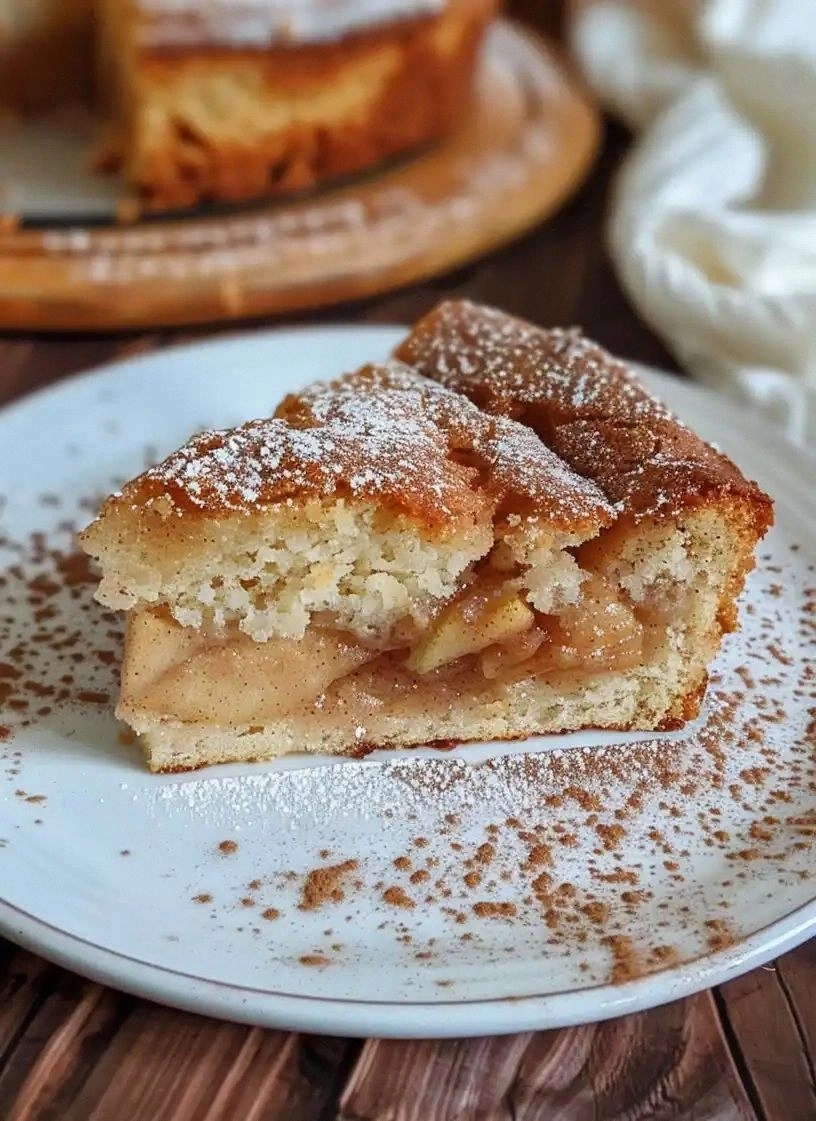
What makes this version of Cinnamon Apple Cake a standout is that it balances the sweet and the savory, the soft and the crisp, all in one bite. The apples aren’t just diced; they’re lightly caramelized in butter and brown sugar before folding into the batter, giving each piece a caramel‑apple burst that’s both sweet and slightly tart. The batter itself is enriched with sour cream, which keeps the crumb moist and tender while adding a subtle tang that cuts through the sweetness. The final touch is a light dusting of ground cinnamon that coats the cake like a fine, fragrant dusting of snow. This is hands down the best version you'll ever make at home.
I dare you to taste this and not go back for seconds. If you’re a fan of classic apple pie or cinnamon rolls, this cake will feel like a nostalgic reunion with a twist. The crusty edges that shatter like thin ice when you bite into them are a delightful contrast to the airy interior. Picture yourself pulling this out of the oven, the whole kitchen smelling incredible, and the first bite delivering a wave of buttery, spiced sweetness that lingers. Stay with me here—this is worth it.
What Makes This Version Stand Out
- Flavor: The caramelized apples add depth, while the double hit of cinnamon creates a fragrant, comforting aroma that’s impossible to ignore.
- Texture: The batter’s buttery richness and sour cream’s moisture give a tender crumb, and the apples provide a juicy burst.
- Ease: No fancy equipment or time‑consuming steps—just a few simple techniques that deliver professional results.
- Uniqueness: The addition of brown sugar and a second cinnamon fold sets this cake apart from ordinary apple cakes.
- Crowd Appeal: Whether you’re hosting a brunch or a casual dinner, this cake is a surefire crowd‑pleaser.
- Ingredient Quality: Using high‑quality butter, fresh apples, and real vanilla extract elevates the flavor profile.
- Cooking Method: Baking at a moderate temperature ensures even rise and a golden crust.
- Make‑ahead: The cake stays fresh for 3–4 days, and freezing is a breeze—just reheat and enjoy.
Inside the Ingredient List
The Flavor Base
The flour, baking powder, baking soda, salt, and ground cinnamon form the backbone of this cake. The leavening agents (baking powder and soda) work together to create a tender rise, while the salt balances the sweetness and enhances the apple flavor. If you skip the baking soda, the cake will be denser; if you omit the salt, the overall taste will feel flat.
The Texture Crew
Butter, granulated sugar, eggs, vanilla extract, and sour cream are the texture specialists. Butter melts into the batter, creating a moist, buttery crumb. Sugar dissolves to form a smooth batter, while eggs bind everything together and provide structure. Sour cream adds a subtle tang and keeps the cake from drying out. Together, they produce a cake that is both airy and luxuriously moist.
The Unexpected Star
Diced apples and brown sugar are the showstoppers. Apples contribute natural sweetness, fiber, and a pleasant chew. Brown sugar adds depth and caramel notes that contrast beautifully with the fresh apple flavor. If you prefer a different fruit, pears or peaches would work, but the apple’s tartness is essential for balance.
The Final Flourish
The second teaspoon of ground cinnamon and a light dusting of powdered sugar (optional) finish the cake. The extra cinnamon layer ensures the spice permeates every bite, while the powdered sugar adds a subtle sweetness and a decorative touch. If you’re feeling adventurous, sprinkle chopped nuts on top for crunch.
Everything’s prepped? Good. Let’s get into the real action.
The Method — Step by Step
- Preheat your oven to 350°F (175°C). Line a 9-inch round cake pan with parchment paper and lightly grease the sides with butter. This step ensures a non‑stick surface and a golden crust. I always set the timer for 30 minutes, but keep a close eye on the edges.
- In a large bowl, whisk together the flour, baking powder, baking soda, salt, and 1 tsp ground cinnamon. This dry blend is the foundation of the cake’s rise and flavor. The whisking aerates the flour, giving the batter a lighter texture.
- In another bowl, cream the butter and 1 cup of granulated sugar until light and fluffy. Add the eggs one at a time, beating well after each addition, then stir in the vanilla extract. The creamed butter creates a tender crumb, while the eggs add structure and richness.
- Combine the wet and dry mixtures, alternating with the sour cream. Fold gently until just combined; over‑mixing can make the cake tough. The sour cream adds moisture and a slight tang that balances the sweetness.
- Fold in the diced apples, ¼ cup brown sugar, and the second teaspoon of ground cinnamon. The apples should be coated in sugar and cinnamon, ensuring each bite bursts with flavor. This is the moment of truth—watch the batter’s color deepen as the apples mingle.
- Pour the batter into the prepared pan, smoothing the top with a spatula. Tap the pan gently on the counter to release any air bubbles. The batter should spread evenly, forming a uniform layer.
- Place the pan in the oven and bake for 30 minutes, or until a toothpick inserted into the center comes out clean and the edges pull away slightly. The cake should have a golden brown top and a fragrant, cinnamon‑apple aroma.
- Let the cake cool in the pan for 10 minutes before transferring it to a wire rack to cool completely. This resting period allows the juices to redistribute, preventing a soggy bottom.
- Optional: Dust the cooled cake with powdered sugar for a sweet finish, or drizzle a simple glaze made from powdered sugar and a splash of milk. The glaze adds a glossy sheen and a sweet bite.
- Serve warm or at room temperature. Pair it with a scoop of vanilla ice cream or a splash of warm apple cider for an extra indulgent treat. This cake is perfect for brunch, dessert, or a cozy evening snack.
That's it — you did it. But hold on, I've got a few more tricks that'll take this to another level.
Insider Tricks for Flawless Results
The Temperature Rule Nobody Follows
Many bakers bake at 375°F, but that temperature can cause the cake to brown too fast on top and leave the center undercooked. Stick to 350°F, and if you’re using a convection oven, reduce the temperature by 25°F. This keeps the heat gentle and even, ensuring a golden crust and a moist interior.
Why Your Nose Knows Best
Before you open the oven door, give the cake a sniff. A warm, buttery, cinnamon‑apple scent is the sweet spot. If it smells more like burnt sugar, the oven is too hot or the timer is off. Trust your nose; it’s the best judge of doneness.
The 5‑Minute Rest That Changes Everything
After the cake comes out of the oven, let it rest in the pan for 5 minutes. This short rest lets the structure set, preventing the cake from falling apart when you transfer it. It also allows the juices to redistribute, making each slice silky.
The Caramelized Apple Trick
If you want that caramelized flavor, sauté the apples in butter and brown sugar for 3 minutes before folding them into the batter. This step caramelizes the sugars, adding depth and a slightly crunchy texture.
The Sweet Finish
A light dusting of powdered sugar or a drizzle of glaze not only adds sweetness but also creates a glossy finish that makes the cake look as good as it tastes. For a richer glaze, add a splash of bourbon or rum.
Creative Twists and Variations
This recipe is a playground. Here are some of my favorite ways to switch things up:
Nutty Crunch
Add ½ cup of chopped walnuts or pecans to the batter. The nuts provide a delightful crunch and a nutty flavor that pairs wonderfully with the cinnamon.
Spiced Orange
Replace the ground cinnamon with a mix of 1 tsp ground ginger, ½ tsp ground cloves, and a dash of orange zest. This gives the cake a warm, citrusy twist perfect for holiday gatherings.
Maple Glaze
Drizzle a maple glaze over the cooled cake. Mix ½ cup powdered sugar with 2 tbsp maple syrup and a splash of vanilla. The maple adds depth and a caramel note.
Chocolate Swirl
Fold in ¼ cup of dark chocolate chips into the batter for a mocha‑apple flavor. The chocolate chips melt slightly, creating pockets of rich chocolate.
Almond Flour Variation
Replace half of the all‑purpose flour with almond flour for a gluten‑free version. The almond flour adds a nutty flavor and a slightly denser crumb.
Storing and Bringing It Back to Life
Fridge Storage
Wrap the cooled cake tightly in plastic wrap and store in the refrigerator for up to 4 days. The moisture from the fridge keeps the cake fresh, and the flavors continue to meld.
Freezer Friendly
Slice the cake before freezing for easy portions. Place each slice in a zip‑lock bag, remove as much air as possible, and freeze for up to 3 months. Thaw overnight in the fridge before reheating.
Best Reheating Method
Reheat frozen or refrigerated slices in a toaster oven at 300°F for 5–7 minutes, or until warmed through. Add a tiny splash of water or milk before reheating to create steam that restores moisture.